
What Are Common Allergy Symptoms?
Mar
When most people think about allergies, they often picture clouds of tree pollen drifting through the air or maybe a cat shedding fur on the couch. Others immediately think of a stuffy nose that just will not clear. Allergic rhinitis, more commonly known as hay fever, develops when your body reacts to substances in the air that it mistakenly identifies as harmful. These substances, called allergens, can include pollen, pet dander, dust mites, or mold spores. Although these triggers enter the body through the nose, the symptoms are not always limited to nasal discomfort.
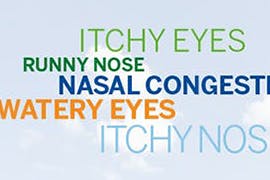
One of the most noticeable symptoms is nasal congestion. After inhaling an allergen, the immune system releases chemicals that lead to inflammation inside the nasal passages. The lining of the nose becomes swollen as blood vessels expand, creating that blocked or “stuffy” sensation. For many people, congestion is one of the earliest and most frustrating signs that an allergic reaction has begun.
A runny nose is another common complaint. Under normal conditions, the nose produces a thin layer of mucus to trap particles and keep airways moist. During an allergic reaction, inflammation stimulates excess mucus production. The result is a constant drip or the need to frequently blow your nose. While inconvenient, this response is part of the body’s attempt to flush out the offending allergen.
Sneezing often accompanies congestion and a runny nose. This rapid burst of air through the nose and mouth is a reflex designed to expel irritants. Allergic sneezing may happen in repeated episodes, especially when exposure continues. Although persistent sneezing can be bothersome and disruptive, it is usually not a sign of a more serious condition.
An itchy nose is also typical. The same inflammatory chemicals responsible for swelling and mucus can irritate nerve endings inside the nasal passages. That itching sensation can be difficult to ignore and, unlike an itch on your arm or leg, not easy to relieve.
Eye symptoms are frequently part of the picture as well. Even though allergic rhinitis focuses on the nose, the eyes are closely connected through shared immune pathways. When allergens trigger inflammation, tiny blood vessels in the eyes can become irritated and leaky. This leads to redness, itching, and excessive tearing. Watery, itchy eyes can be just as uncomfortable as nasal symptoms and may interfere with daily tasks like reading or driving.
Allergy triggers vary depending on the environment and the time of year. Outdoor allergens often include pollen from trees, grasses, and weeds. Tree pollen tends to be more prominent in the spring, while grasses and weeds can dominate in late spring and summer. However, seasonal patterns are not always predictable, and in some regions symptoms may begin earlier than expected and last longer than anticipated.
Indoor allergens are present throughout the year. Dust mites thrive in bedding, carpets, and upholstered furniture. Mold can grow in damp areas such as bathrooms, basements, or kitchens. Pet dander, made up of tiny skin flakes from animals like cats and dogs, can remain suspended in the air long after the pet has left the room.
Managing allergy symptoms often involves reducing exposure to known triggers and choosing appropriate treatment options. Some medications focus on relieving sneezing, itching, and a runny nose, while others address inflammation more broadly. Certain nasal sprays are designed to treat multiple symptoms, including congestion, which many people find particularly disruptive. By targeting the underlying inflammation, these treatments can help provide more comprehensive relief and make it easier to enjoy daily activities, even during peak allergy seasons.
Understanding your specific triggers and recognizing the range of possible symptoms are important steps toward better control. With the right strategies, it is possible to reduce discomfort and regain comfort throughout the year.